How To Find the Right Dog Training Classes in Cumbria
Choosing the correct class for your dog isn’t just about location or price. It’s about finding a trainer whose methods, experience, and values align with your dog’s needs.
Dog Trainer Recommendations in Cumbria: Why Word of Mouth Matters
One of the most reliable ways to find a good dog trainer in Cumbria is through personal recommendations. Speak to friends, family, local dog walkers, or other dog owners you regularly see. Ask:
* What were the classes like?
* Did their dog enjoy the sessions?
* Did they feel supported as an owner?
First-hand experience can tell you far more than an advert ever will.
Using Social Media to Find a Dog Trainer in Cumbria
Social media can be a useful research tool, but it’s important to remember it’s often a highlights reel. Videos and photos don’t always show how trainers handle stressed, nervous, or overexcited dogs.
Use social media as a starting point—but always look deeper.
What to Look for on a Dog Trainer’s Website
A professional dog training website should clearly explain:
* The trainer’s experience and qualifications
* The training methods they use
* Their approach to dog welfare and safety
Transparency is key. If a trainer avoids explaining how or why their training works, that’s something to question.
Why You Should Watch a Dog Training Class Before Joining
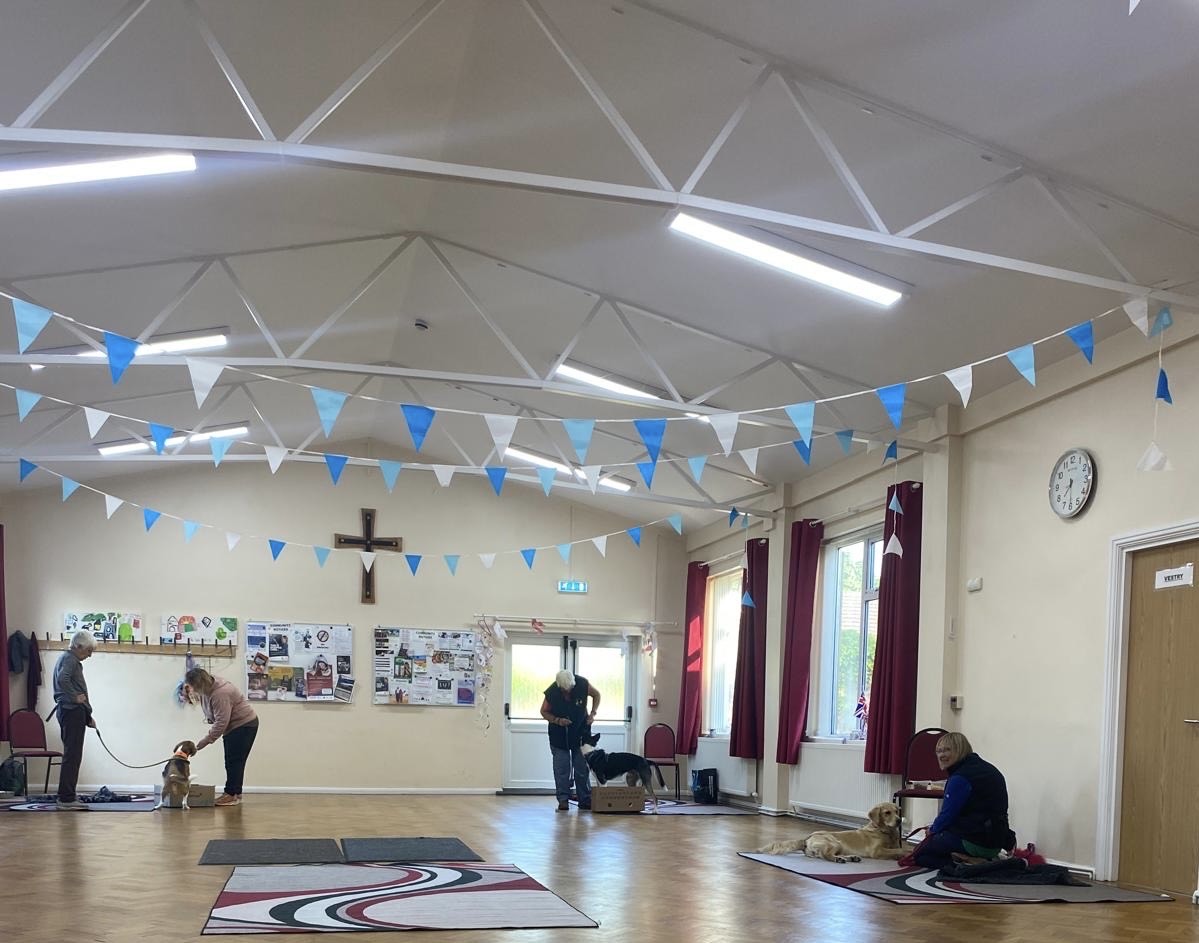
One of the best ways to assess dog training classes in Cumbria is to observe a session without your dog first. Watching a class allows you to see:
* How the trainer communicates
* How dogs are managed within the group
* Whether the environment feels calm and controlled
Good trainers are confident enough to welcome observers.
What Makes a Good Dog Training Class in Cumbria?
Small Dog Training Class Sizes
* Ideally 4–6 dogs per class
* Allows for individual attention
* Prevents dogs becoming overwhelmed
Structured but Flexible Dog Training
* Clear lesson plans
* Adjusted to suit the dogs attending
* Focused on progress, not perfection
Calm and Controlled Training Environment
* Classes should not be chaotic
* Excessive barking or lunging should be managed, not ignored
Dog Welfare and Safety in Training Classes
Any reputable dog trainer in Cumbria should prioritise welfare at all times:
* Clean venues with non-slip mats
* Dogs are never forced into close contact
* Trainers recognise signs of stress, fear, or frustration early
* Interventions happen before behaviour escalates
Reward-Based Dog Training Methods in Cumbria
Look for trainers who use reward-based dog training, such as:
* Food rewards
* Toys
* Praise and encouragement
Good trainers are happy to explain why reward-based training works, rather than expecting blind obedience. Relationship building should always be at the heart of training.
Signs of a Good Dog Trainer
A skilled dog trainer will:
* Give clear, easy-to-follow explanations
* Be patient and supportive
* Provide homework and handouts
* Encourage questions
* Emphasise consistency over time, not quick fixes
* Understand that group classes are not suitable for every dog
Dog Training Red Flags to Avoid
Be cautious of dog trainers who:
* Accept all dogs into group classes without assessment
* Guarantee behaviour changes within a set number of weeks
* Run very large, noisy classes
* Use punishment such as lead jerks, shouting, or aversive tools
* Ignore anxious or fearful dogs in group settings
Important Questions to Ask a Dog Trainer in Cumbria
Before joining any class, ask:
* What happens if my dog gets something wrong?
* What training methods do you not use?
* How would you work with a fearful or anxious dog?
The answers should focus on support, welfare, and gradual progress.
Dog Training Should Be Enjoyable for You and Your Dog
Effective dog training in Cumbria should be enjoyable, confidence-building, and rewarding for both dog and owner. Training is about understanding, communication, and consistency—not pressure or fear.
Dog Training in Cumbria at Pawesome
At Pawesome, we focus on both ends of the lead. Our aim is to help you build a strong, positive relationship with your dog while reducing stress and everyday struggles.
We may recommend a trial dog training class to ensure it’s the right fit. For dogs who struggle with anxiety, we may suggest starting with 1:1 dog training in Cumbria or gradually building up to group classes.
We welcome visitors to our classes (with prior notice) and are always happy to answer questions about our training methods and philosophy.